
Blog
White Gold: Black Sea Salt

What Makes Bulgarian Black Sea Salt Special?
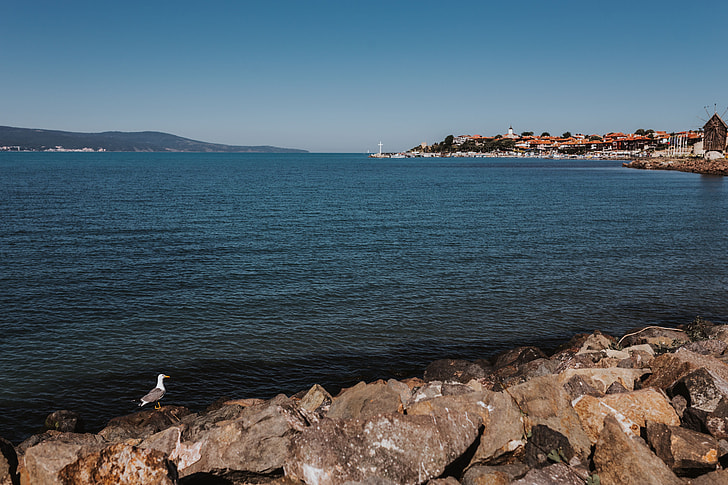
At first glance, salt might seem ordinary – but salt from the Black Sea is anything but. Harvested along Bulgaria’s eastern coast, this salt reflects centuries-old traditions of sea salt production practiced in the region since ancient times. Unlike industrial table salt or even many modern artisanal varieties, Black Sea salt carries distinct natural characteristics shaped by its environment.
A connection to place – It reflects the specific mineral composition of the Black Sea, a basin known for its lower salinity compared to many oceans and its unique biological balance.
Balanced flavor – Its taste is clean and pronounced without being aggressive, offering a straightforward saltiness with subtle mineral depth rather than sharp intensity.
Natural texture – Depending on drying and processing methods, the crystals range from fine grains to larger, coarse crystals suitable for everyday cooking or finishing dishes.
For Bulgarians and food lovers alike, this salt isn’t just an ingredient – it is part of a long-standing culinary tradition tied to the coast.
From Sea to Table: How It’s Made
Aromatherapy chakra essential oils healing
The process of creating Bulgarian Black Sea salt remains closely connected to natural conditions and traditional techniques.
Seawater collection: Brine is collected from selected coastal areas where water quality and salinity are stable and suitable for salt production.
Evaporation: Sun and wind gradually evaporate the water in shallow basins, allowing salt crystals to form naturally.
Harvesting: Producers gather the salt at specific stages of crystallization to achieve the desired texture and moisture level.
Drying and sorting: The salt is dried naturally or at low temperatures and sorted according to grain size for different uses.
This approach stands in clear contrast to mass-produced table salt, which is typically refined, stripped of trace minerals, and treated with additives such as anti-caking agents or iodine.
Beyond the Kitchen: Cosmetic and Wellness Uses
Bulgarian Black Sea salt has long been used beyond cooking, particularly along the coast, where salt, mineral water, and therapeutic mud treatments are part of local wellness traditions.
Natural Exfoliation for Skin Care
When finely ground, Black Sea salt is used in body and hand scrubs as a natural exfoliant. Its crystals help remove dead skin cells and stimulate circulation, leaving the skin smoother without excessive abrasion. Combined with simple oils or botanical ingredients, it is well suited to restrained, natural cosmetic formulations.
Mineral Baths and Body Treatments
Salt baths containing Black Sea salt are traditionally associated with relaxation and muscle comfort. In spa and cosmetic contexts, they are used to:
Ease physical tension
Support skin comfort
Promote a general sense of well-being
These uses are rooted in long-established practices rather than exaggerated claims, making them appropriate for modern wellness approaches focused on moderation and balance.
Scalp and Hair Care Applications
In hair and scalp care, Black Sea salt appears in cleansing and exfoliating treatments. Used gently, it helps remove product buildup and excess oil while stimulating the scalp, which makes it a functional ingredient in natural shampoos and pre-wash scalp scrubs.
A Clean Beauty Ingredient
Because it is minimally processed and free from synthetic additives, Bulgarian Black Sea salt fits naturally within clean beauty philosophies. Its value lies in simplicity, trace mineral content, and functional use rather than marketing promises.
Why Black Sea Salt Fits the “White Gold” Story
Across cultures, salt has always been more than a seasoning. It has preserved food, supported wellness practices, and influenced trade and local economies. Bulgarian Black Sea salt is a quiet example of this heritage – practical, regional, and closely linked to its environment.
Antiquity and Early Uses
Salt production along the Bulgarian Black Sea coast can be traced back to antiquity, with archaeological evidence pointing to organized extraction during the Thracian era and later under Greek and Roman influence. Coastal areas around present-day Pomorie and Varna became early centers of salt production, as salt was considered a strategic resource—used for preserving food, sustaining livestock, supporting trade, and supplying military settlements. In Roman times, Black Sea salt moved inland along established trade routes, reinforcing its role as a form of “white gold” that supported regional economies and daily life. The reliance on sun and wind for evaporation formed the basis of these early methods, a principle that continues to define traditional Black Sea salt harvesting today.
In White Gold: Salts Around the World, this salt represents a grounded form of luxury: valued not for rarity or excess, but for authenticity, versatility, and continuity.
Every salt has a place, a history, and a purpose.
In White Gold: Salts Around the World, we explore how geography and tradition shape one of humanity’s oldest resources – used in food, wellness, and daily life. One grain at a time, these salts tell stories worth preserving.